The Rise of LED Cards in Payment Technologies
The financial industry is constantly evolving, with payment technologies at the forefront of innovation. Among the latest trends in this sector is the emergence of LED cards. These cards, equipped with light-emitting diodes, are transforming the way consumers and businesses perceive and utilize payment instruments. This article delves into the current trends surrounding LED cards, examining their features, benefits, and potential impact on the financial services landscape.
What Are LED Cards?
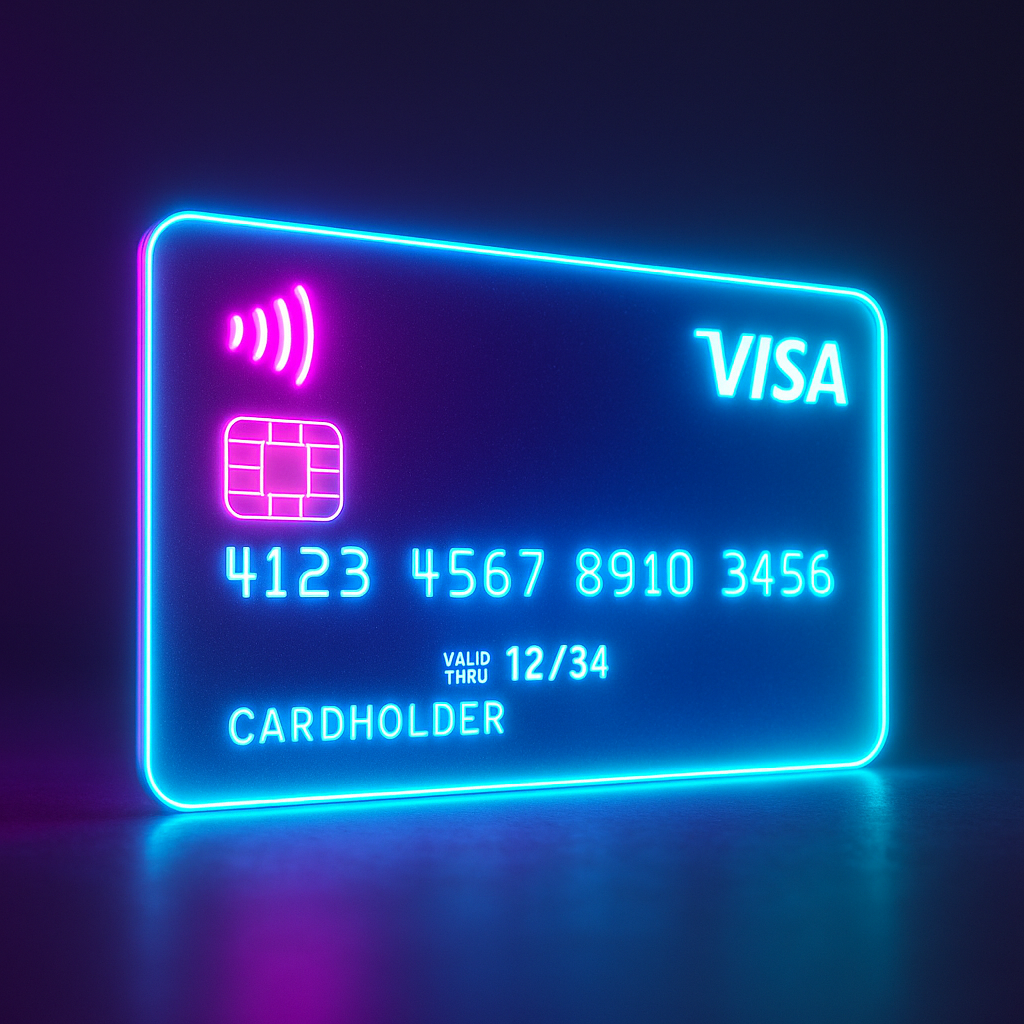
LED cards are a new breed of payment cards that incorporate LED technology to enhance user interaction and security. Unlike traditional cards, LED cards feature small lights that can indicate various statuses, such as successful transactions or low balance alerts. These lights provide immediate, visual feedback to users, enhancing the overall payment experience.
Key Features of LED Cards
Visual Feedback: LED cards offer immediate visual cues, making them user-friendly. The LEDs can signal different states, such as transaction approval or rejection, providing reassurance and reducing user error.
Enhanced Security: Some LED cards use lights to signal authentication processes, such as entering a PIN correctly or confirming a biometric scan, thus adding an extra layer of security.
Customizable Alerts: Users can program LED lights for specific alerts, such as spending thresholds or low balance warnings, allowing for better personal financial management.
Current Trends in LED Card Usage
Growing Adoption
Consumer Appeal: The unique features of LED cards are attracting tech-savvy consumers who appreciate the blend of technology and finance. As awareness grows, adoption rates are increasing, particularly among younger demographics.
Financial Institution Interest: Banks and financial institutions are exploring LED cards as a way to differentiate their offerings and enhance customer experience. Pilot programs are underway in various regions, with positive feedback contributing to broader rollouts.
Integration with Digital Wallets
Seamless Connectivity: LED cards are being designed to integrate with digital wallets and mobile payment platforms, providing users with a cohesive financial ecosystem. This integration allows for synchronized alerts across physical and digital payment methods.
Advancements in Card Technology
Biometric Integration: Some LED cards are starting to incorporate biometric authentication, such as fingerprint recognition, which is indicated by LED signals, further enhancing security and user convenience.
Benefits of LED Cards
User Engagement: The interactive nature of LED cards enhances user engagement, making payments more intuitive and enjoyable.
Security Assurance: With visual confirmations of security measures, users are more confident in the safety of their transactions.
Financial Awareness: Real-time alerts help users stay informed about their financial status, promoting better budgeting and spending habits.
Challenges and Considerations
Cost Implications: The production of LED cards is more expensive than traditional cards, potentially affecting pricing models for card issuers and consumers.
Durability Concerns: The addition of LED technology may impact the physical durability of the cards, necessitating further innovation to ensure longevity.
Market Penetration: While interest is growing, widespread adoption will require significant investment in consumer education and infrastructure upgrades.
Future Outlook
The future of LED cards in the payment landscape looks promising as technology continues to advance and consumer preferences evolve. Financial institutions that invest in LED card technology may gain a competitive edge by offering innovative and secure payment solutions. As the technology matures, potential exists for further integration with emerging payment systems, such as cryptocurrencies and decentralized finance platforms.
In conclusion, LED cards represent a significant trend in payment technologies, offering enhanced user experiences and security features. As the market for these cards expands, they are poised to play an integral role in the evolution of financial services. Institutions and consumers alike should stay informed about developments in this space to capitalize on the benefits that LED cards have to offer.