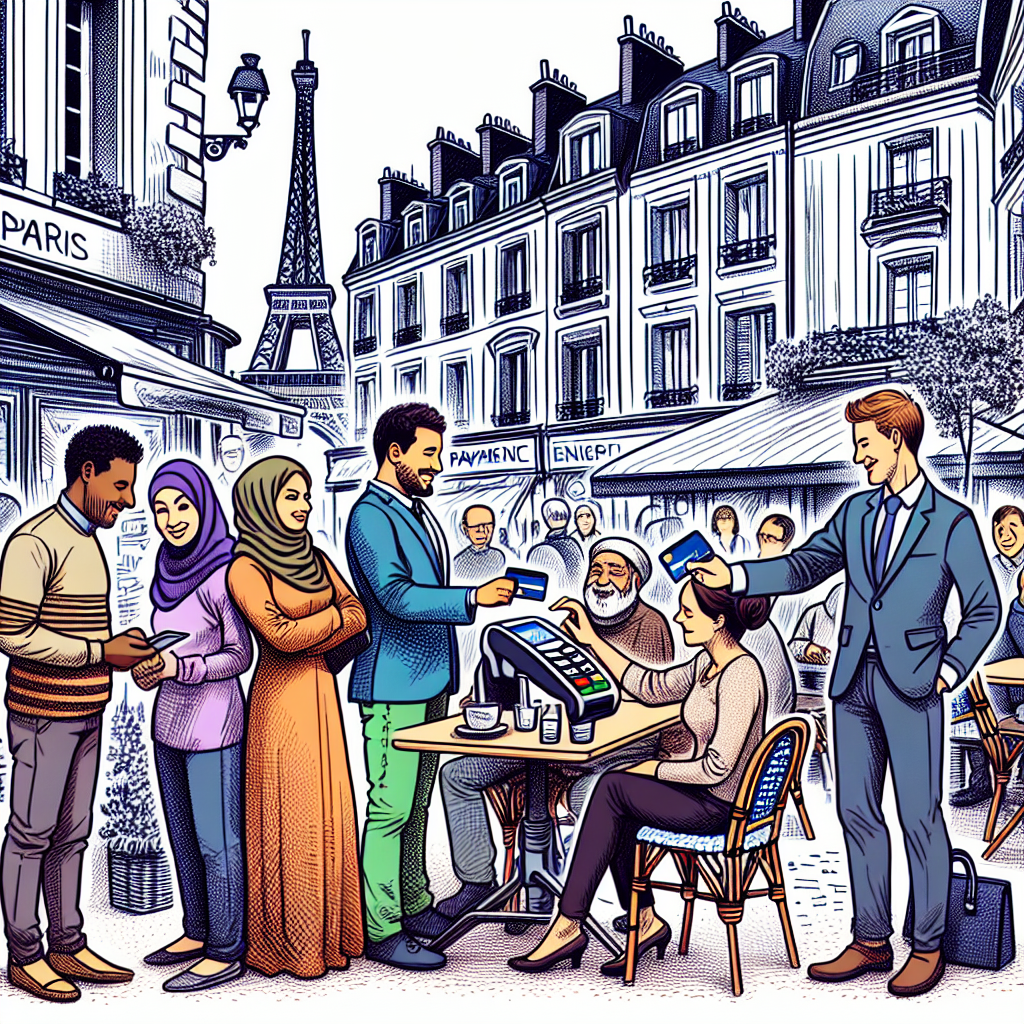
Understanding the Carte Bancaire System in France
The Carte Bancaire system is a cornerstone of the French payments landscape, providing a robust framework for both consumers and merchants. As one of the most widely used payment methods in France, understanding how the Carte Bancaire operates is crucial for anyone involved in the financial services industry, particularly those focusing on payment technologies and fintech innovations.
Overview of Carte Bancaire
The Carte Bancaire system is a national interbank network that facilitates electronic transactions between consumers and merchants. It is similar to other national card systems but has unique features tailored to the French market.
Key Characteristics
Ubiquity- Carte Bancaire (CB) is accepted by the vast majority of merchants in France, making it a crucial payment method for the French economy.
- The system is well-integrated with major international card networks like Visa and Mastercard, allowing for seamless international transactions.
How Carte Bancaire Works
Issuance and Infrastructure
Card Issuance- French banks issue CB cards to account holders, which can function as debit or credit cards depending on the product.
Network Infrastructure
- The CB network connects banks, merchants, and cardholders, ensuring secure and efficient transaction processing.
Transaction Process
Initiation: A cardholder initiates a transaction by presenting their CB card at a point-of-sale (POS) terminal or using it online. Authorization: The transaction is authorized by the cardholder’s bank, which checks for sufficient funds or available credit. Clearing and Settlement: Transactions are cleared and settled through the CB network, with funds being transferred from the cardholder's account to the merchant's account.
Security Features
Chip and PIN- CB cards are equipped with EMV chip technology and require a PIN for authentication, enhancing security.
- Many CB cards also support 3D Secure for online transactions, adding an additional layer of verification.
Benefits of Carte Bancaire
For Consumers
Convenience- With widespread acceptance and the ability to use CB cards abroad, consumers enjoy seamless payment experiences.
- Advanced security features protect consumers against fraud and unauthorized transactions.
For Merchants
Increased Sales- Accepting CB cards can lead to increased sales volumes due to the convenience offered to customers.
- Electronic payments reduce the risks associated with handling cash.
Challenges and Considerations
Competition from Fintech
Emerging Payment Solutions- The rise of digital wallets and other fintech solutions presents competition to traditional card systems like Carte Bancaire.
Regulatory Environment
Compliance- Adhering to evolving regulations, such as the European Payment Services Directive (PSD2), is essential for stakeholders in the CB ecosystem.
Future Outlook
The Carte Bancaire system is likely to continue evolving in response to technological advancements and consumer preferences. The integration of mobile payments, digital wallets, and enhanced security protocols will be key areas of development.
Innovation and Adaptation
Adoption of NFC and Contactless- As contactless payments gain popularity, the CB system is expected to further integrate NFC technology to enhance user convenience.
- Partnerships between traditional banks and fintech firms may drive innovation within the CB network.
Conclusion
The Carte Bancaire system remains a vital component of France's payment infrastructure, balancing tradition with innovation. As the financial landscape continues to evolve, the CB network will need to adapt to maintain its relevance and provide value to both consumers and merchants. Understanding these dynamics is essential for professionals navigating the payments and fintech sectors in France.